
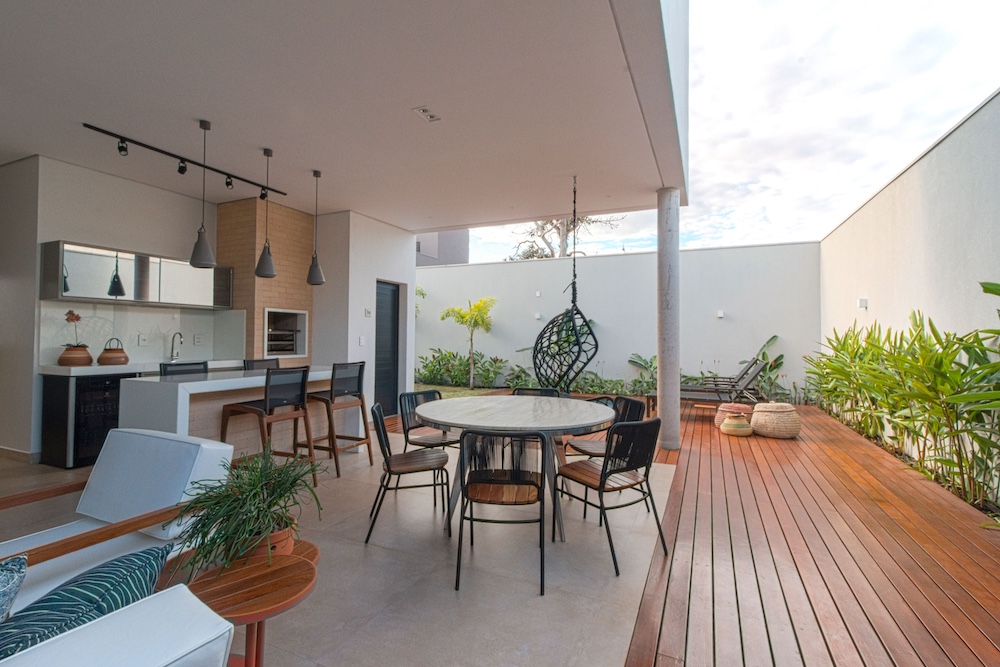
Building an outdoor kitchen sounds simple until you get into the details. You’ve picked out the barbecue, maybe you’re dreaming about a pizza oven, and you can already picture yourself out there on summer evenings. But before any of that gets installed, there’s a question that trips up a lot of homeowners in Greater Victoria and Sooke: where is the gas line going, and who’s handling the water and drainage?
This is the part of the project that has to happen first, not last. Once the pavers are down and the counters are in, moving a gas line or adding a drain becomes a much bigger job than it needed to be.
Whether you’re planning a simple barbecue hookup or a full outdoor kitchen with a sink and pizza oven, here’s what to sort out before construction starts.
Start With Your Outdoor Appliances
Before a gas line can be properly designed, your gas fitter needs to know which appliances it will serve. These could include:
- A built-in natural gas barbecue
- A side burner
- An outdoor pizza oven
- A gas fire table or fire pit
- Patio heaters
- An outdoor fireplace
Each appliance has a specified gas input, normally measured in British thermal units, or BTUs. The total appliance demand helps determine the required gas-pipe size.
This is why appliances should be selected as early as possible. A line sized for one barbecue may not have enough capacity if a side burner, patio heater or fire feature is added later. Insufficient capacity can cause appliances to operate poorly, particularly when several appliances are running simultaneously.
Even when you have not chosen exact models, give your contractor a realistic list of everything you may install. Our gas fitting services include the installation and alteration of natural gas and propane systems and appliances.
Have the Existing Gas System Assessed
A new outdoor appliance becomes part of your home’s overall gas system. That system may already supply a furnace, boiler, fireplace, water heater, range or other equipment.
Before adding a barbecue or outdoor kitchen, a qualified gas fitter should assess:
- The total connected gas load
- Existing gas-pipe sizes
- Available gas pressure
- The distance to the outdoor kitchen
- The number of branches and fittings required
- The proposed appliance specifications
- Possible future additions
The location of your gas meter, finished basement, deck, concrete patio and landscaping can all affect the proposed pipe route.
Planning this route before construction begins can reduce disruption and help avoid opening finished walls, removing new cabinets or cutting into a recently completed patio.
Understand Gas Permit Requirements in BC
Gas piping and built-in gas appliance installations are regulated work in British Columbia.
According to Technical Safety BC’s barbecue safety guidance, a portable barbecue connected to an existing approved connection box may not require a new permit. However, installing new gas piping or a built-in barbecue generally requires a gas installation permit.
Technical Safety BC also states that gas piping and built-in barbecue installations are among the alterations that require a homeowner gas permit when the homeowner qualifies and intends to complete the work themselves.
For most homeowners, hiring a properly qualified gas contractor is the safest and most practical approach. The contractor can determine the permit requirements, complete the regulated work and arrange the necessary inspection process.
The province’s requirements are governed by the B.C. Gas Safety Regulation.
Choose Between a Built-In and Portable Barbecue
Your choice of barbecue affects both the kitchen design and the type of gas connection required.
Built-in barbecues
A built-in barbecue is permanently installed within an outdoor-kitchen enclosure. It creates a clean, integrated appearance, but the appliance and cabinet must be designed to work together.
Important considerations include:
- Manufacturer-required clearances
- Cabinet ventilation
- Non-combustible construction
- Access for maintenance
- Heat protection
- Gas shut-off accessibility
A freestanding barbecue should not simply be placed inside a homemade cabinet. Confirm that the selected appliance is approved for built-in use and follow its installation instructions.
Portable barbecues
A portable natural gas barbecue may connect to an approved outdoor gas connection using a certified connector.
Technical Safety BC’s outdoor gas connector and hose directive states that connectors certified to the applicable CSA outdoor standard must be used to connect outdoor gas appliances.
The connection should be positioned so the hose is not stretched, pinched, exposed to excessive heat or routed through an area where it could be damaged.
Never connect a propane appliance directly to a natural gas supply. The appliance must be approved for the fuel being used. Any manufacturer-authorized conversion should be completed using the specified components and instructions.
Plan for Safe Clearances and Ventilation
An appliance being outdoors does not mean it can be installed anywhere. Covered patios, pergolas, enclosed decks and cooking alcoves can create ventilation and heat-clearance concerns. Your plan must account for the appliance manufacturer’s specified distance from:
- Combustible walls
- Wood fences
- Cabinets and counters
- Roof overhangs
- Doors and operable windows
- Deck railings
- Outdoor furniture
- Trees and shrubs
- Other appliances
Outdoor kitchens beneath roofs or inside partially enclosed areas require particularly careful planning. Heat and combustion products must be able to disperse safely.
Obtain the appliance installation manuals during the design stage. Do not wait until the counters and cabinets have already been built.
Include an Accessible Gas Shut-Off
The gas supply must include an approved and accessible shut-off arrangement. Its exact position will depend on the appliance, connection type and installation requirements.
The valve should not be:
- Hidden behind permanently fixed cabinetry
- Blocked by an appliance
- Placed where stored items could damage it
- Installed where it is difficult to reach
- Exposed to unnecessary impact or corrosion
Household members should also know where the shut-off is located and how to turn off the appliance supply in an emergency.
Consider Victoria’s Coastal Climate
Outdoor kitchens in Greater Victoria must withstand rain, moisture, salt air and seasonal temperature changes.
Outdoor-rated appliances, cabinets, fasteners and fixtures should be chosen with the local coastal environment in mind.
A covered kitchen can provide useful weather protection, but the roof or enclosure must not interfere with ventilation or required appliance clearances.
Also consider where downspouts and surface water will drain. A downspout emptying beside the kitchen can lead to persistent dampness, staining or deterioration. We offers drainage services for homeowners who need help managing drain tile, surface drainage or other drainage concerns.
Plan Outdoor Sink Plumbing at the Same Time
Many outdoor-kitchen projects begin with a barbecue and later expand to include a sink. Installing the necessary services is usually easier before cabinetry, concrete and finished landscaping are completed.
An outdoor sink may require:
- Hot and cold water supplies
- Accessible isolation valves
- Approved drainage
- Backflow protection where applicable
- Outdoor-rated fixtures
- Freeze protection or winterization provisions
An outdoor sink should not simply drain onto the patio, into a garden bed or into an improvised pipe. The drainage arrangement must comply with applicable plumbing requirements.
Greater Victoria has relatively mild winters, but exposed pipes can still freeze during periods of cold weather. Outdoor water lines should be positioned and protected appropriately, with a practical way to isolate or drain them when necessary.
HomeWise’s renovation plumbing services include plumbing rough-ins, water-line installations, gas-line installations and fixture planning for new and renovated spaces.
Coordinate Gas, Plumbing and Electrical Work
Even a gas-fired barbecue may require electricity for ignition, lighting or a rotisserie motor. A larger outdoor kitchen may also include:
- A beverage refrigerator
- Electrical receptacles
- Task lighting
- A dishwasher
- Speakers or entertainment equipment
- Electric warming drawers
- Pumps or drainage equipment
Coordinate the gas fitter, plumber, electrician, cabinet supplier and general contractor before construction begins.
Poor coordination can result in:
- A gas pipe interfering with a drawer
- A drain occupying the refrigerator space
- An electrical outlet being placed too close to heat
- A gas shut-off becoming inaccessible
- Cabinet ventilation openings being covered
- Counter openings being cut incorrectly
A dimensioned plan showing the appliances, cabinets and all service connections can prevent many expensive construction changes.
Call Before Digging
Some outdoor-kitchen projects involve excavation for gas piping, water lines, drainage or electrical conduits.
Before disturbing the ground, request information about buried utilities through BC 1 Call. Property owners and contractors should not assume that existing gas, electrical, water or communications lines follow a predictable route.
Technical Safety BC also provides guidance on digging safely around natural gas lines.
Private services on the property may not always be identified through the public utility notification process, so additional locating may be necessary.
Allow for Future Outdoor Upgrades
Consider how you may use the outdoor space in five or ten years.
You may eventually want to add:
- A larger barbecue
- A side burner
- A pizza oven
- A patio heater
- A fire table
- An outdoor fireplace
- A sink or refrigerator
Discussing these possibilities during the initial planning stage allows your gas fitter and plumber to consider future demand and potential service routes.
Future planning does not necessarily mean installing equipment immediately. It means avoiding a layout that makes reasonable additions unnecessarily disruptive or expensive.
Common BBQ Gas-Line Planning Mistakes
Many outdoor-kitchen problems occur because the finished appearance is designed before the gas and plumbing systems are considered.
Common mistakes include:
- Buying appliances after the gas line has been sized
- Assuming the existing gas system has sufficient capacity
- Installing cabinets before confirming pipe locations
- Using indoor-rated materials outdoors
- Ignoring manufacturer clearances
- Enclosing a barbecue without proper ventilation
- Making the shut-off valve inaccessible
- Connecting an appliance to the wrong fuel
- Cutting concrete before routes are finalized
- Failing to arrange the appropriate permits
- Treating regulated gas work as a casual DIY project
Correcting these issues after the kitchen has been built can be much more expensive than addressing them during the planning stage.
Create a Project Plan Before Work Begins
Before requesting a gas-line or outdoor-kitchen assessment, gather:
- Appliance makes and model numbers
- Appliance installation manuals
- A sketch showing the proposed layout
- Cabinet and counter dimensions
- Details of any roof, pergola or enclosure
- The location of the existing gas meter
- A list of current gas appliances
- Details of possible future appliances
- Plans for water, drainage and electricity
- Your proposed construction schedule
This information will help your contractor assess gas capacity, pipe routing, clearances, permitting and coordination requirements.
Outdoor Kitchen and BBQ Gas-Line Services in Greater Victoria
A well-designed outdoor kitchen should be convenient, durable and safe. The gas line must be correctly sized, properly routed, protected from damage and installed for the specific appliances it will supply.
HomeWise Plumbing & Drainage provides gas fitting, renovation plumbing and drainage support throughout Greater Victoria and Sooke.
Planning an outdoor kitchen, built-in barbecue or permanent gas connection? Contact our experienced plumbers to discuss your project and arrange a professional assessment.